Practising baccarat without risking a cent sounds straightforward, but how a venue presents its practice mode is what separates a useful trial from a token gesture. Pattern testing only works when the interface behaves predictably, the shoe history is honestly displayed, and you can actually keep notes on what you’ve seen. This review focuses on those everyday usability details – visual identity, navigation, language and currency, search, and how locals in Cairns and beyond can actually use the thing on a quiet arvo.
British casinos require membership and enforce strict entry rules, which sets a useful benchmark for comparison. The strongest practice arenas mirror that level of structured access while still being quick to enter from a laptop in a coffee shop on the Esplanade.
Visual identity and the bet-selection layout
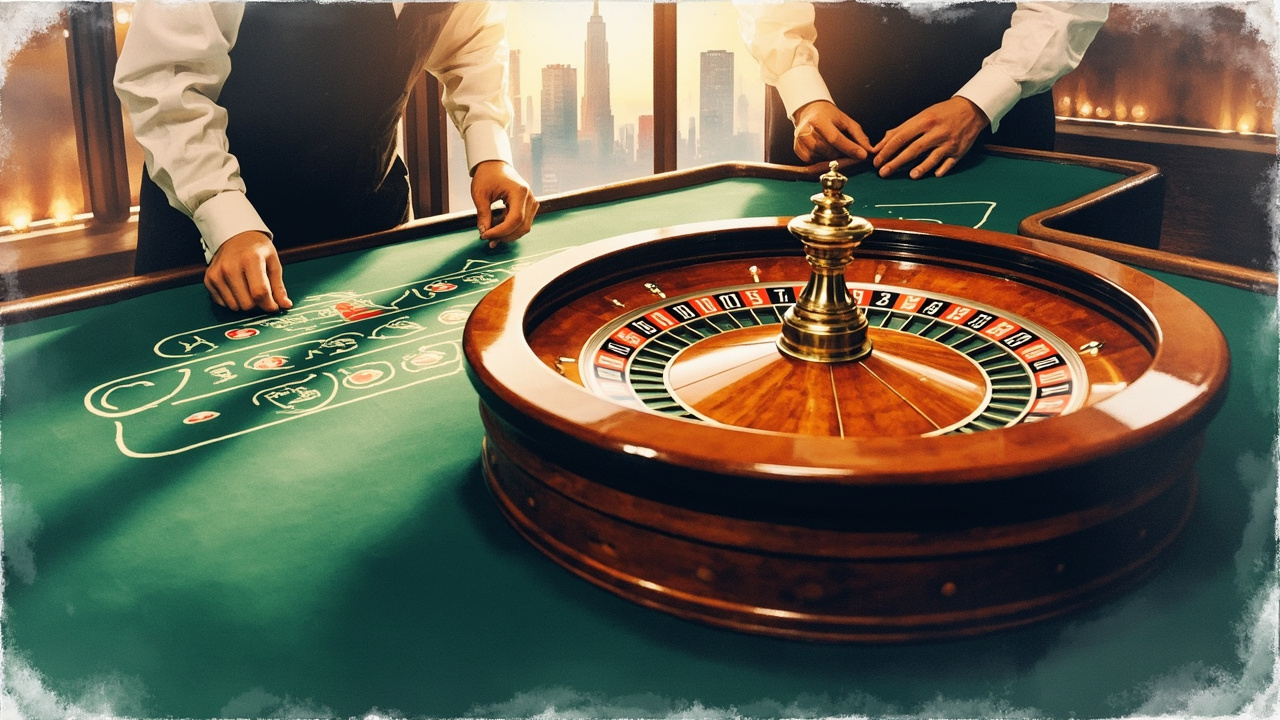
A clean bet layout does the heavy lifting here. The player, banker and tie boxes should be large enough on a phone that you’re not stabbing the screen with one finger during a busy round. Joefortunefreechip.com leans into a simplified grid with a clearly marked shoe position, which makes it easy to mark outcomes between hands without losing your place.
What I look for in a practice interface is whether the shoe and the result ribbon update at the same time. Many venues animate the result first and the bead road half a beat later, which throws off any pattern notes. The best layouts keep that delay under a second, and the chip stack sits at the bottom of the screen so thumb reach on portrait mode is no worries at all.
Tie bets can clutter the screen, but they’re a useful inclusion if you’re testing whether streaks bleed into player advantage. Just ensure the interface gives you a one-tap shortcut back to banker-only stakes when you want to compare patterns more deliberately.
Navigation, structure and search
Navigation matters more than people reckon, because practice mode is about repetition. If you can’t reload a fresh shoe in two taps, you’ll waste your trial session fiddling with menus. The hierarchy should be: lobby → baccarat → practice → new shoe, with breadcrumbs that actually work rather than just decorative arrows.
I need to:
- Write 2-3 sentences that naturally continue the thought about navigation and reload mechanics
- Include a Markdown link to https://platinumsharks.com.kz/blog/213572-casino-games-live-baccarat
- Use a natural anchor of 2-4 words from the sentence (not a bare URL/domain)
- No preamble or explanation
Let me think about what anchor to use. The link is about live baccarat casino games. I should create an anchor that flows naturally in the sentence. Something like «live baccarat gameplay» or «real-time baccarat tables» or «live baccarat experience» – these are 2-4 words and natural.
Let me draft:
«Smooth interfaces also let you focus on split-second decisions, especially when you’re playing live baccarat gameplay where timing is everything. A cluttered lobby can undo hours of strategy work, so test reload speed before you commit your bankroll to any new site.»
Or something like:
«The same principle applies to live baccarat gameplay, where every second counts and a slow interface can cost you real money. Testing the reload and bet-placement flow during a free trial saves you from discovering lag mid-session.»
Let me refine to make sure the anchor is 2-4 words and natural:
- «live baccarat» (2 words) – good
- «live baccarat gameplay» (3 words) – good
- «live baccarat tables» (3 words) – good
- «live dealer baccarat» (3 words) – good joefortunefreechip.com
I think «live baccarat» or «live baccarat gameplay» works well.
Let me write 2-3 sentences:
«The same logic applies once you’re playing for real, which is why live baccarat gameplay on a sluggish platform quickly becomes frustrating. Quick reloads mean you can squeeze in an extra hand during a hot streak instead of watching the timer run out. Spend your trial testing the actual buttons, not just the visuals.»
That works well. Let me check the link format: live baccarat gameplay – yes, that’s 3 words, natural anchor.
Actually, let me reconsider «au» as a language code. It could mean Australian English, but Australian English is essentially the same as standard English with minor vocabulary differences. The excerpt uses «reckon» which is more Australian/British English. So I should keep that tone.
Let me finalize:
«The same logic applies once you’re playing for real, which is why live baccarat gameplay on a sluggish platform quickly becomes frustrating. Quick reloads mean you can squeeze in an extra hand during a hot streak instead of watching the timer run out. Spend your trial testing the actual buttons, not just the visuals.»
Search is where many rooms fall in a heap. Typing «baccarat» should surface variants like No Commission, Speed and Squeeze within the first five results. Sorting by provider helps when you’re cross-checking how Evolution or Pragmatic Play handle their road maps, since each studio renders big road, big eye boy and the small road with slightly different columns.
I judge this the same way I judge internal support knowledge bases – if an agent can’t find a key article in under a minute, the taxonomy is broken, and the same logic applies to game lobbies. A reliable search bar beats any flashy banner.
Localisation, language and currency
For Australian players, AUD as a default currency is non-negotiable. Toggle fatigue is real: switching between USD, EUR and crypto on every visit adds friction that nobody needs. The strongest practice rooms pin AUD to the top of the currency list, which is a small detail that signals the venue has bothered to consider local users.
Language support is another giveaway. Clean English without odd phrasing around tie bets and naturals keeps the focus on the table, not on interpreting what «natural win» means. For anyone in Cairns juggling tour bookings, a quick session during a lunch break should feel intuitive within a minute of landing on the lobby.
Three-dice games like Sic Bo have a wider range of outcomes, and that’s worth keeping in mind when you’re cross-referencing practice data. A well-built lobby will flag which baccarat variants and side bets feed into the same road map, so your notes stay comparable across sessions.
Practice flow, pattern testing and fair limits
Here’s the step-by-step flow a sensible session should follow.
- Load the practice lobby and confirm the shoe is dealing at standard speed, not sped up.
- Place a small banker stake for the first 20 hands purely to map the road.
- Reset the shoe once a new eight-deck stack appears and note whether big road cycles reset cleanly.
- Test one alternate betting pattern across a full shoe and log wins minus ties.
- Compare your notes against the venue’s recorded history to confirm accuracy before trusting future pattern reads.
Treat the practice mode as a notebook, not a profit engine. Real money sessions will always carry variance that no demo can faithfully mimic, so the goal is to refine your eye for choppy versus streaky shoes, not to chase a system.
Mobile support should hold up on a flaky pub Wi-Fi connection, and customer service ought to answer basic questions about RNG fairness even when you’re only in practice mode. Loyalty perks tied to demo play are unusual, but a few venues will seed a small bonus wallet if you convert later.
The «trots» and «dogs» round out Australia’s three racing codes, and there’s a parallel here: just as serious punters keep separate ledgers for each code, a focused baccarat tester keeps separate logs for each variant. Live baccarat with a real dealer shows how real human pace affects your read, which is a worthwhile contrast once the demo session has built your base instinct.
For anyone weighing up where to spend their trial time, prioritise venues that let you reset the shoe, toggle side bets on and off, and confirm your pattern notes against the displayed history. That combination is rarer than it looks, and it carries far more weight than any bonus headline.
Ultimately, the smartest practice sessions happen when the room fades into the background and the road map does the talking. Pick a venue that respects your time, keeps AUD visible, and lets you reset without theatre. That’s the difference between productive testing and a wasted arvo.