There’s a particular flavour to a quiet weekday arvo when you’d rather not shout over a crowded main lobby, and live dealer platforms have been catching on. Over the past couple of years, the live casino with private tables format has shifted from a niche novelty into a serious alternative for players who’d like their roulette, blackjack and baccarat served up in a calmer, more localised setting. It’s not pitched as a replacement for the big showy floors; it’s built around different priorities altogether.
A Different Visual Identity and Layout
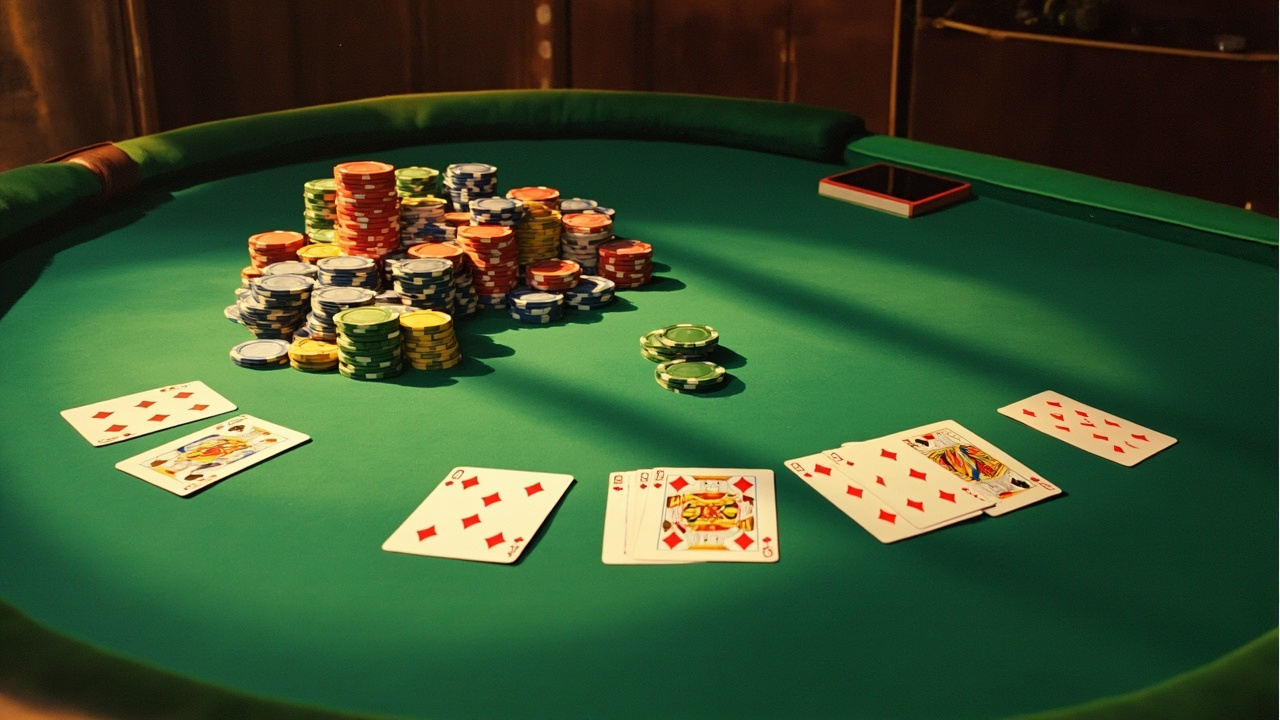
Most live casino lobbies follow the same template: bright thumbnails, loud banners, tables rammed into a grid. Private tables tend to start from a quieter brief. You’ll usually land on a tailored homepage where the table you’re invited to sits front and centre, the dealer’s name is on display, and the surrounding chrome is dialled down rather than dialled up. Navigation typically runs along a slim rail rather than a chunky hamburger, which makes it easier to find limits, history and rules without rummaging through pop-ups. From a negotiation standpoint, that’s the kind of detail I look for first when sizing up a partner: how the product feels once the marketing layer is peeled back.
Chloe Young from the Pacific Player Protection Institute frames it neatly: «Operators that invest in private table UX rather than just bigger lobbies are usually the ones who’ve actually listened to player feedback – it shows up in the navigation, not the press release.»
Localisation that Actually Means Something
A lot of live casino brands claim to «localise» and then offer a slightly translated help page. Private tables are where the better operators earn that label for real. That can mean AUD as the default currency rather than a converted balance, 24/7 support timed around Australian time zones, and dealers who understand that the afternoon session isn’t a midnight hunt. It’s also where Geelong comes in as a useful reference point. A studio set is a studio set, but a dealer who knows what a quick weekend trip to the Bellarine looks like, or what the footy means on a Friday night, brings a texture that a stock backdrop can’t.
In practical terms, localisation shows up in payment choices too. PayID, BPAY and a few select card options sit alongside the usual e-wallets, deposits clear in a few seconds, and withdrawal timeframes are stated clearly rather than buried. Jack Hill of Boomerang Gaming Insights puts it this way: «When a private table brand spells out AUD limits, payment windows and dealer shifts in plain language, that’s a stronger compliance signal than any badge on a footer.»
Everyday Usability Around Limits and Search
This is the bit most reviews skip past, and it’s where private tables quietly pull ahead for Australian players. Internal search is built around practical queries – by minimum bet, by dealer name, by RTP bracket – instead of generic provider labels. Limit filters are honest: blackjack from $5 to $2,500 a hand, baccarat from $2 upwards, roulette wheels sitting at roughly 97.3% return when you pick the European layout. There’s nothing flashy in that, which is exactly the point.
Registration takes a couple of minutes, the cashier remembers your preferred payment rail, and the mobile stream holds up without forcing a vertical-only clip. I tend to judge a platform by how it handles a clumsy moment – can you change the camera angle mid-hand, can you re-bet on the previous spin, can the chat box keep up when you type fast – and the better private table products are the ones that treat those tiny interactions as design problems rather than afterthoughts.
Where the Format Sits in the Broader Market
Private tables aren’t marketed as a safer, faster or more generous alternative to standard live dealer play. That framing tends to fall apart once you compare the bonus mechanics, loyalty terms and betting caps side by side. What they do offer is a calmer environment, more transparent limits, and a stronger localisation story. For anyone whose evenings are busy as and whose weekends are already spoken for, that combination is worth more than another wide-screen lobby full of noise. If you’re weighing up how Australian-friendly a broader brand is on the same metrics, the high RTP live coverage on Liberty Arts lines up the kind of table-by-table maths worth checking before you commit your bankroll.

It’s also worth noting who makes a good fit. Mia O’Brien from Ironbark Compliance Advisory notes: «Private tables sit in a niche where responsible gambling tools are easier to surface, but only if the operator hasn’t buried them three menus deep.» That’s the test, really. If session timers, deposit caps and self-exclusion are a single tap away from the table lobby, the product has been built with the player in mind. If they’re not, no amount of plush branding will fix it.
If this style of tailored, less crowded play catches your eye, Legacy of Dead is a calm, well-built option run out of Sydney that fits the same restrained brief.
No matter which direction you go, take ten minutes to check the licence line, the payment rails and the responsible gambling menu before your first hand. That’s not a chore; it’s the cheapest bit of due diligence you’ll do all week.